
Peptide Education
Next Generation Metabolic Peptides Explained
Next generation metabolic peptides are reshaping receptor research through multi-agonist design, analytical rigor, and batch documentation for controlled research and procurement.

Next generation metabolic peptides are reshaping receptor research through multi-agonist design, analytical rigor, and batch documentation for controlled research and procurement.

A practical review of leading metabolic research targets, from incretin receptors to mitochondrial pathways, with a focus on assay design and quality.

COA batch specificity helps researchers connect a reported purity result to the exact material in hand. Learn what to verify before any analytical use.

A critical guide to BPC-157 human studies, clinical trial design, animal-to-human evidence gaps, safety uncertainties and FDA status.

Are BPC-157 benefits for women supported by clinical evidence? Review sex-specific research gaps, reproductive safety uncertainty and FDA status.

Is the BPC-157 half-life known in humans? Learn why circulating estimates are uncertain and how pharmacokinetic evidence differs from peptide stability.
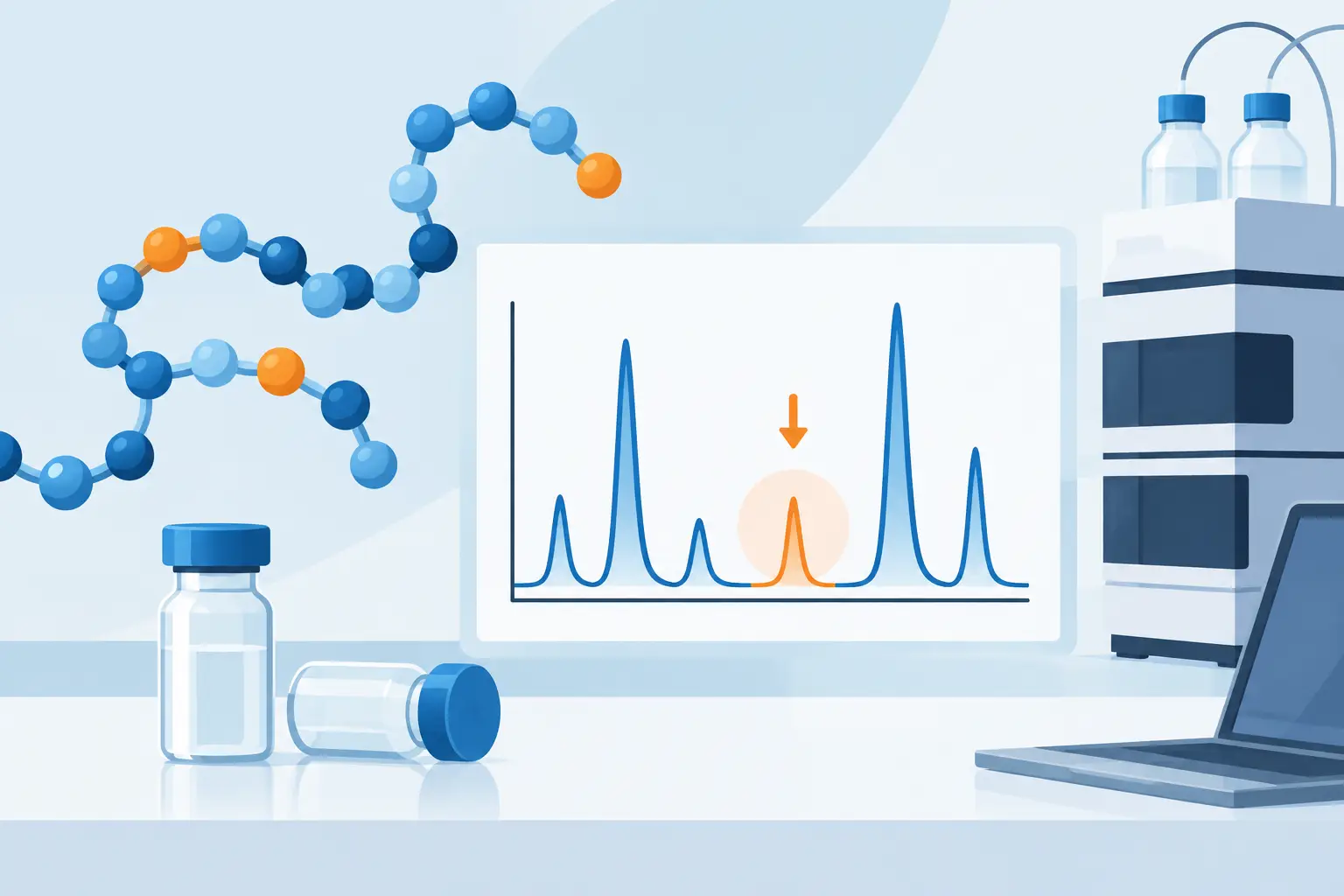
See a purity deviation example, learn how HPLC/MS results expose batch variation, and evaluate peptide COAs before analytical research begins confidently.
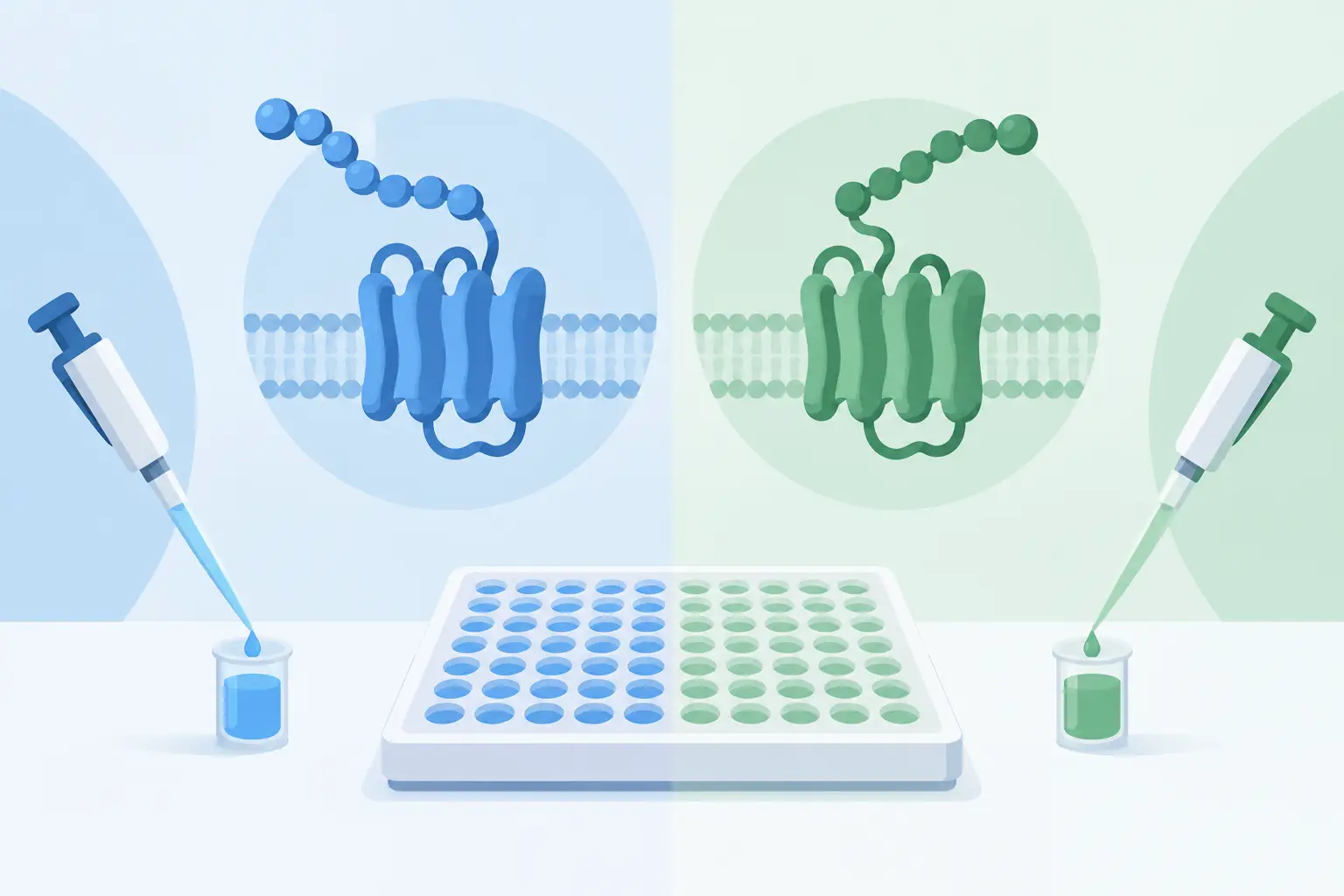
Compare GLP-1 versus GIP receptor assays with practical guidance on assay choice, controls, selectivity, and data quality for metabolic research teams.

Does BPC-157 reduce inflammation? A careful look at animal research, inflammatory markers, sparse human data and FDA safety concerns.

An evidence-based review of BPC-157 benefit claims for tissue repair, inflammation and recovery, distinguishing human studies from animal findings.