Peptide Education
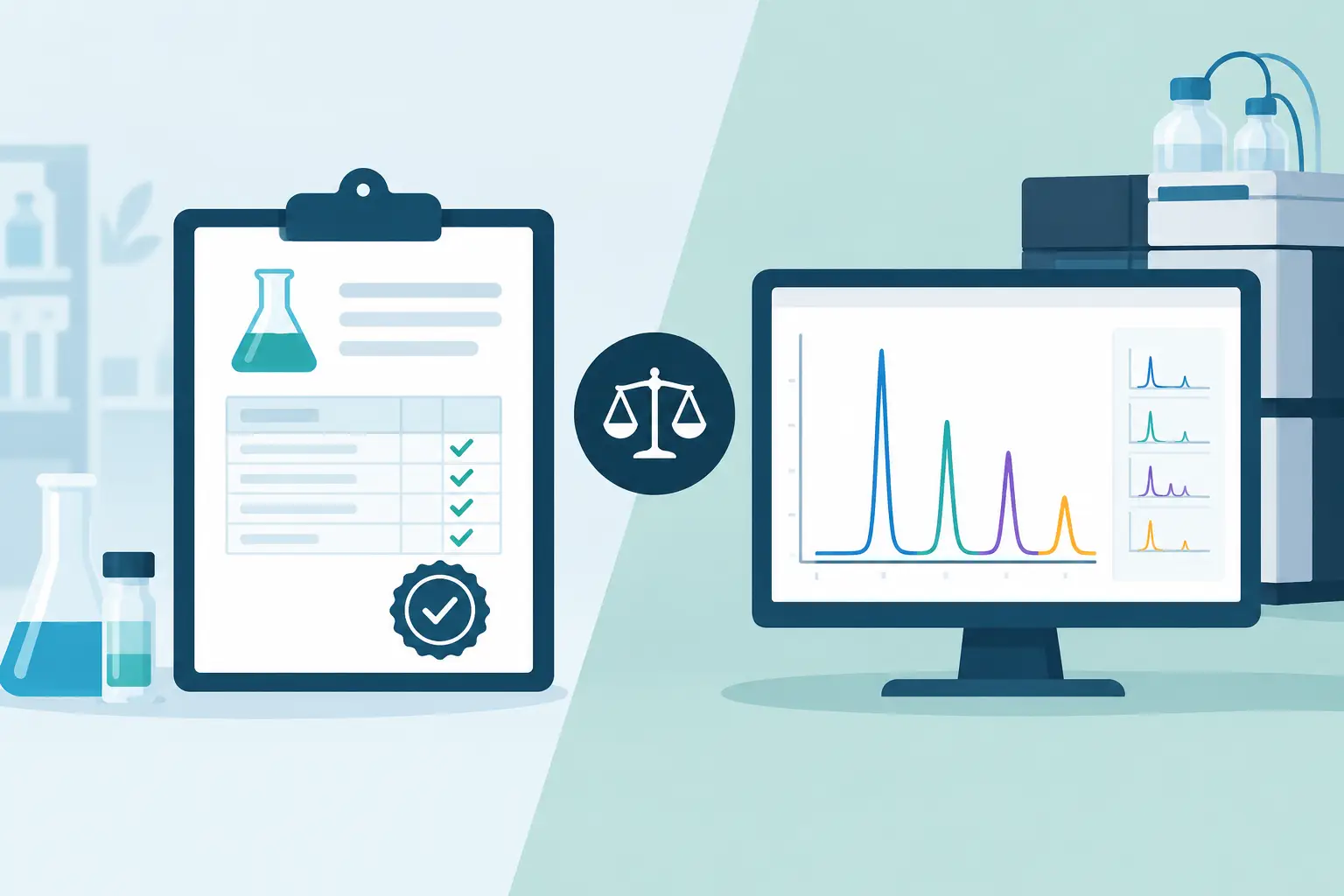
COA Versus Chromatogram Verification: What Matters
COA versus chromatogram verification: learn what COAs and chromatograms prove, where gaps remain, and how to review batch-specific peptide data clearly.

COA versus chromatogram verification: learn what COAs and chromatograms prove, where gaps remain, and how to review batch-specific peptide data clearly.
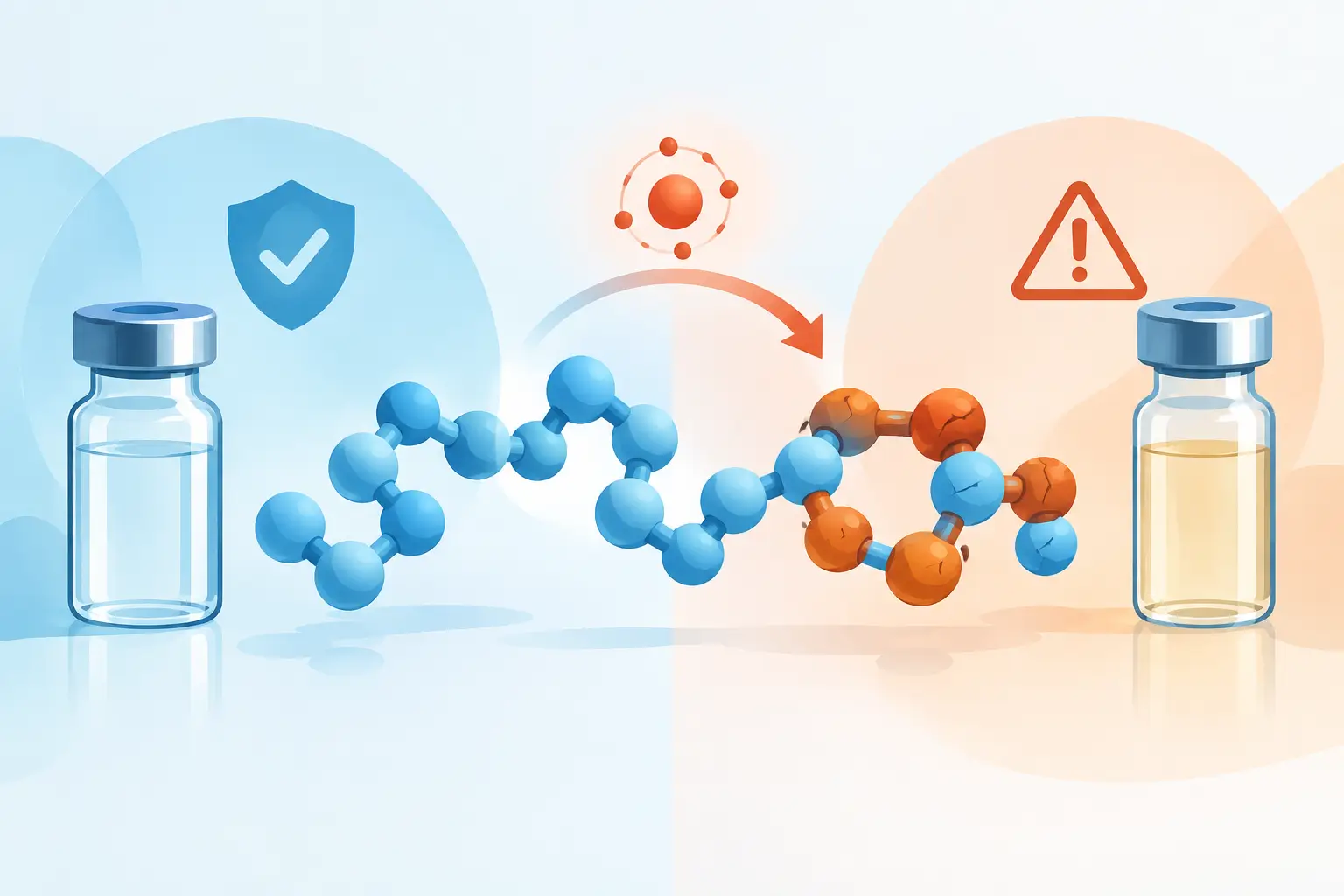
Can peptides oxidize during storage or handling? Learn the main oxidation pathways, warning signs, and controls that protect research sample integrity.
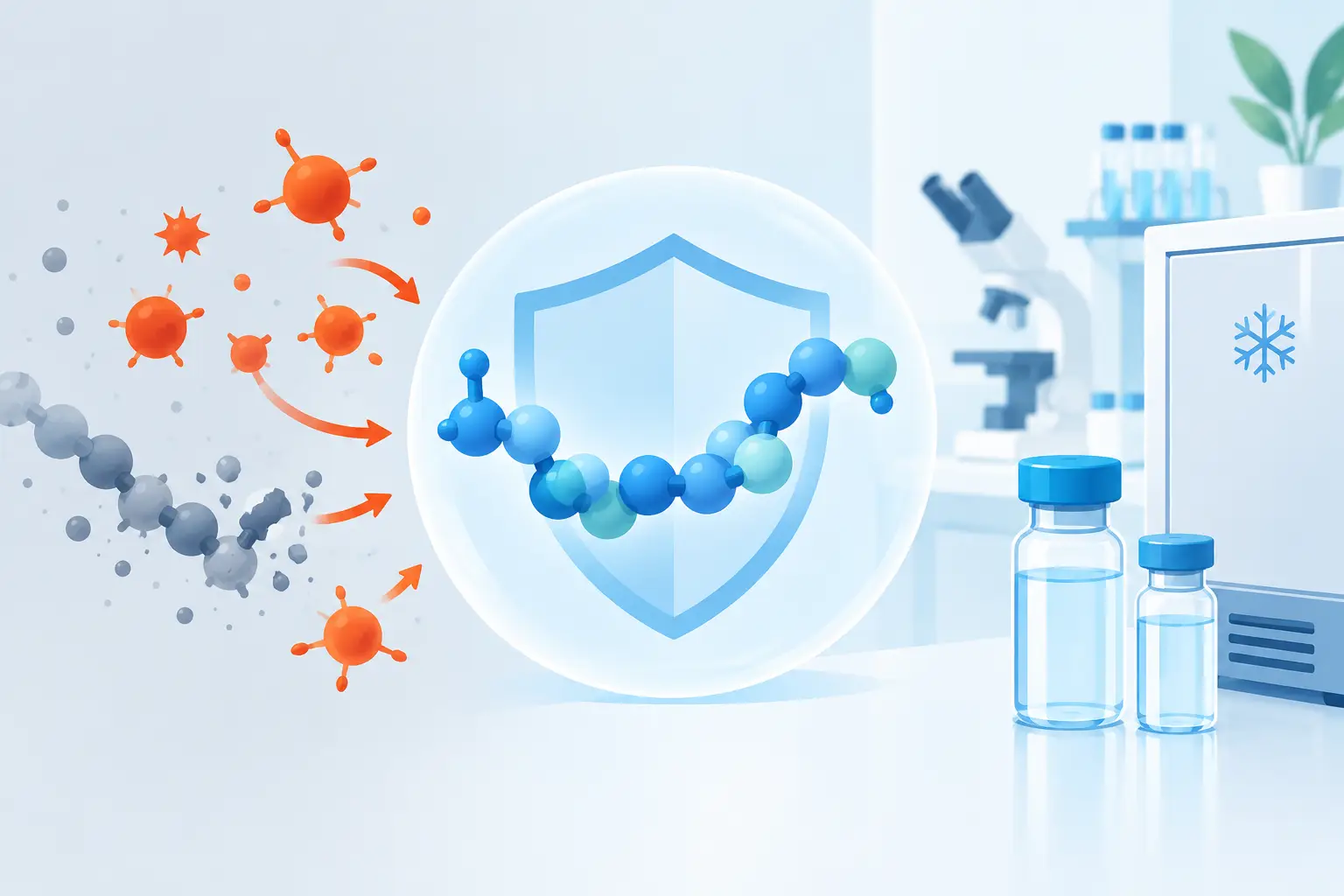
Learn how to prevent peptide oxidation through reliable storage, oxygen management, light protection, and batch-level analytical verification for research.
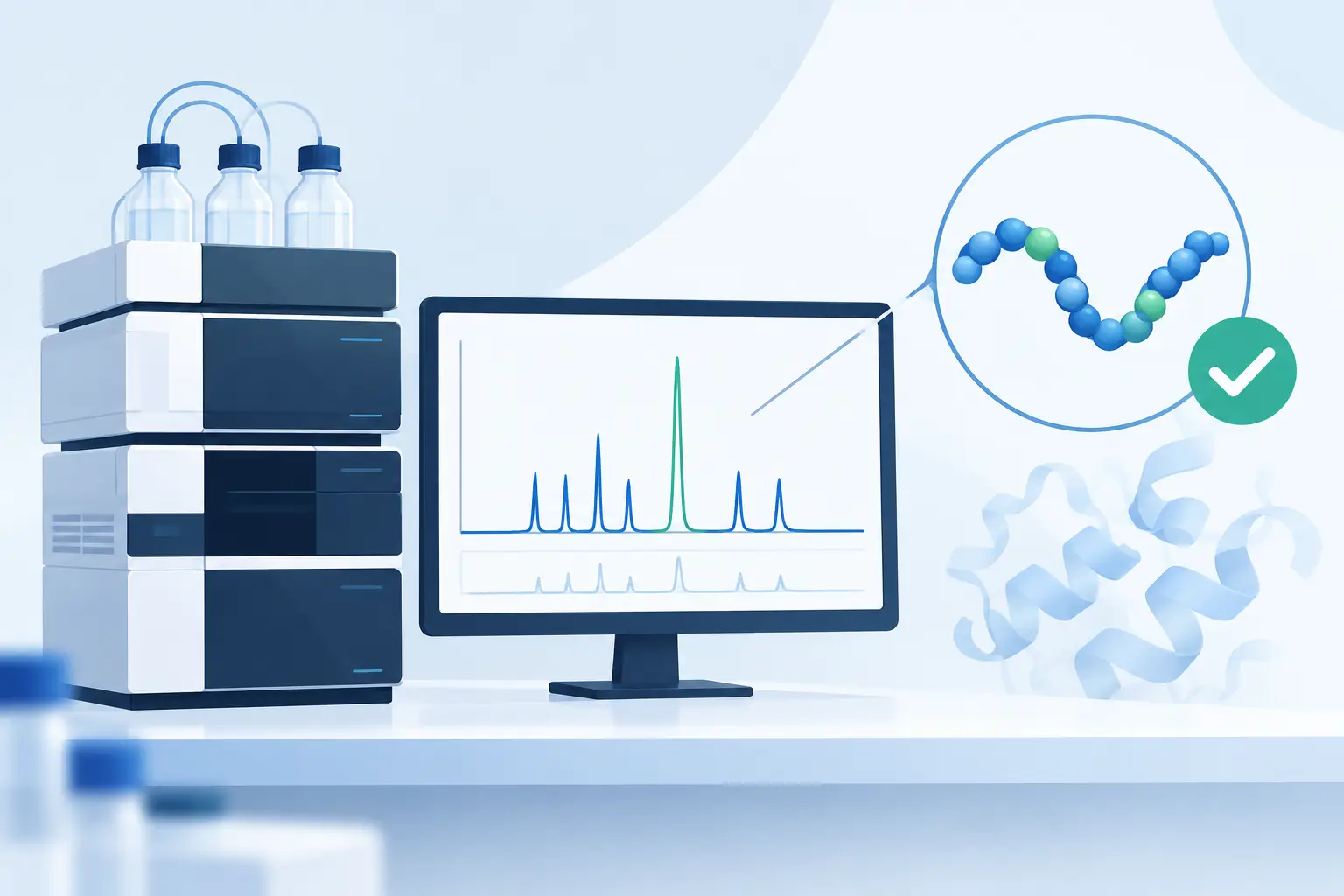
Can HPLC confirm peptide identity? See what retention time and purity reveal, why co-elution matters, and when MS completes peptide verification in research labs.
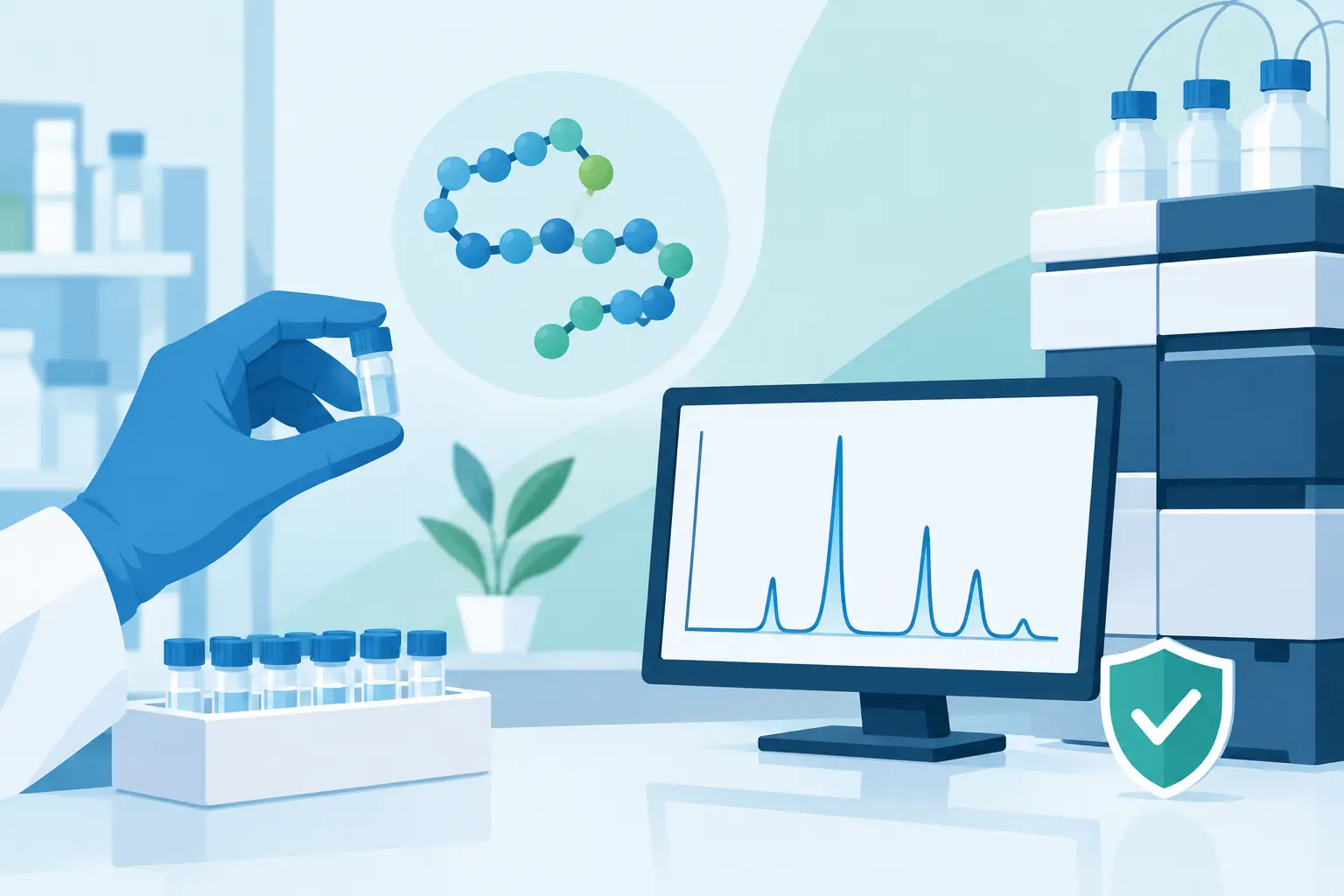
This stability indicating assay guide explains forced degradation, method validation, and data decisions for research-grade peptide testing workflows.

TB 500 peptide research evaluates a thymosin beta-4 fragment in preclinical models, with focus on mechanism, evidence limits, and batch material quality.
This ipamorelin research review examines receptor pharmacology, study limits, analytical controls, and documentation standards for laboratory buyers today
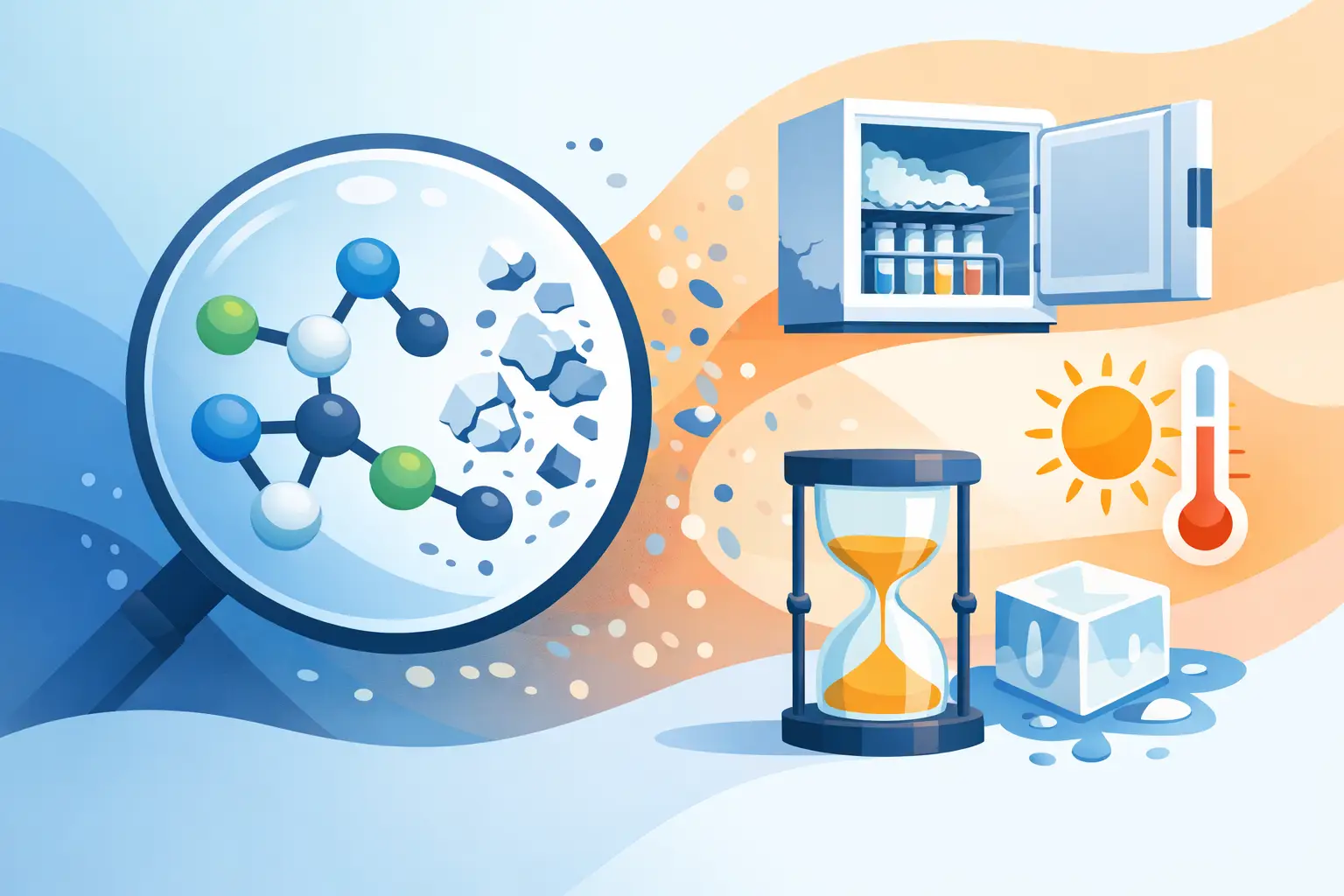
Why do peptides degrade? Learn how heat, moisture, oxygen, light, pH, and handling affect peptide integrity, and how labs can reduce avoidable loss risk.

Learn the best peptide quality indicators, from batch-specific COAs and HPLC/MS data to packaging, storage, and shipping controls for research use only.
Are research peptides batch tested? Learn what a batch-specific COA, HPLC, MS, identity, purity, storage, and chain of custody should show when ordering.