Posts by lab trust
Best Nootropic Research Compounds for Lab Studies
Assess the best nootropic research compounds for controlled laboratory studies, from Semax to Selank, with quality documentation and handling priorities.
Trusted Peptide Lab Documentation Checklist
Trusted peptide lab documentation helps research buyers verify identity, purity, batch traceability, and handling before materials first enter the lab.
Peptide Reconstitution Guide Research Controls
A peptide reconstitution guide research teams can use to protect sample identity, concentration accuracy, sterility controls, and documented results daily.
Trends in GLP-1 Research Shaping Metabolic Studies
Track trends in GLP-1 research, from multi-agonist design to trial endpoints, analytical controls, and the evidence gaps laboratories should watch closely.
What MOTS-c Mitochondrial Research Shows
MOTS-c mitochondrial research examines a stress-responsive peptide, metabolic signaling, exercise models, and the limits of current preclinical evidence.
How to Evaluate HPLC Chromatogram Results
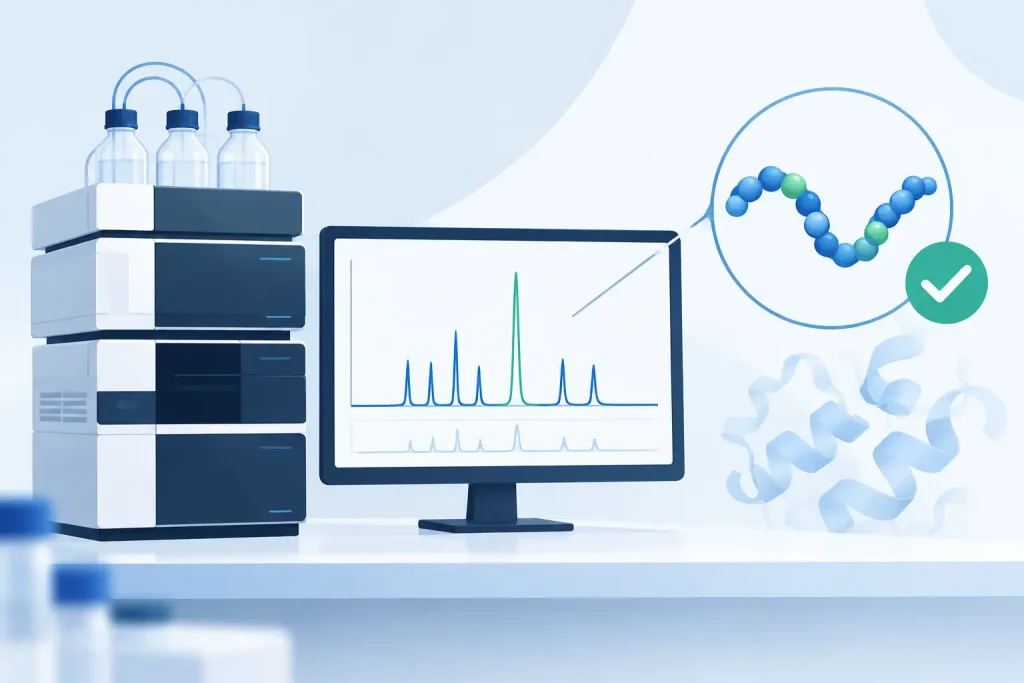
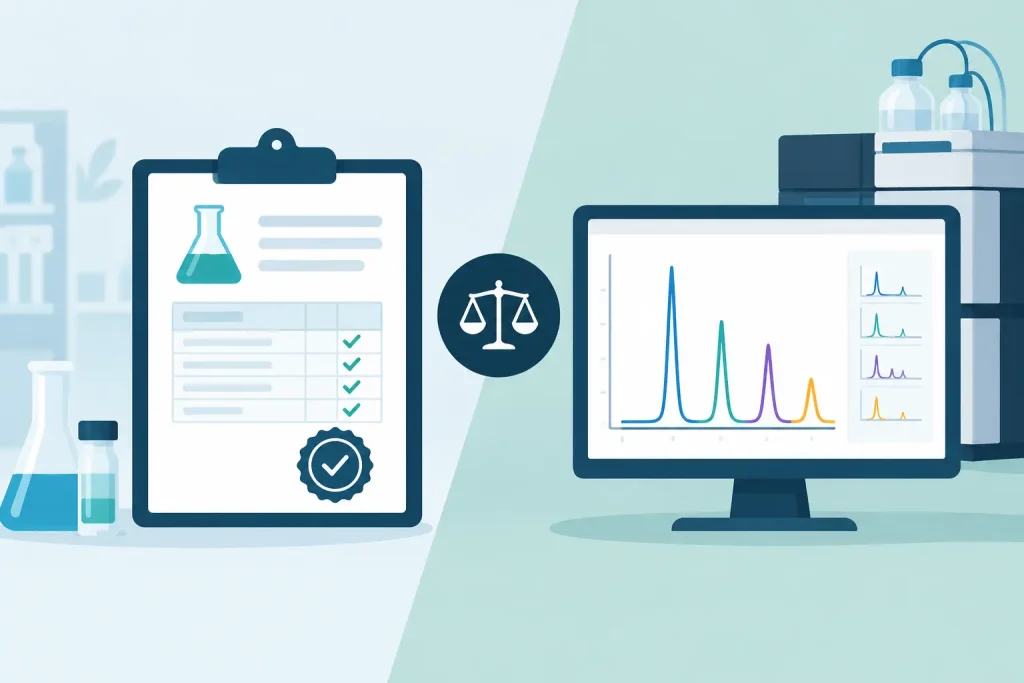
Learn how to evaluate hplc chromatogram results: assess retention time, peak shape, resolution, purity, integration, and batch-to-batch confidence checks.
Retatrutide Lab Report Example Explained
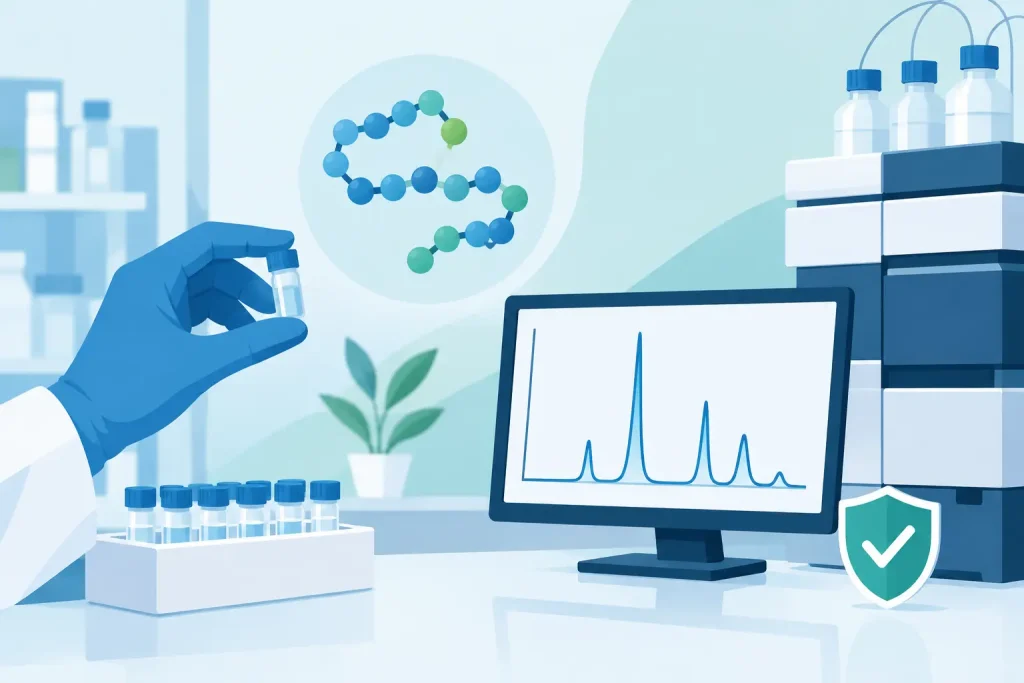
See a retatrutide lab report example and learn to verify batch identity, HPLC purity, MS results, dates, and documentation for analytical research use.
GLP-1 Research Guide: Methods, Controls, and Data
This GLP-1 research guide covers study design, assay selection, controls, and batch documentation for reliable laboratory research results accurately.
How to Assess Peptide Stability in Research
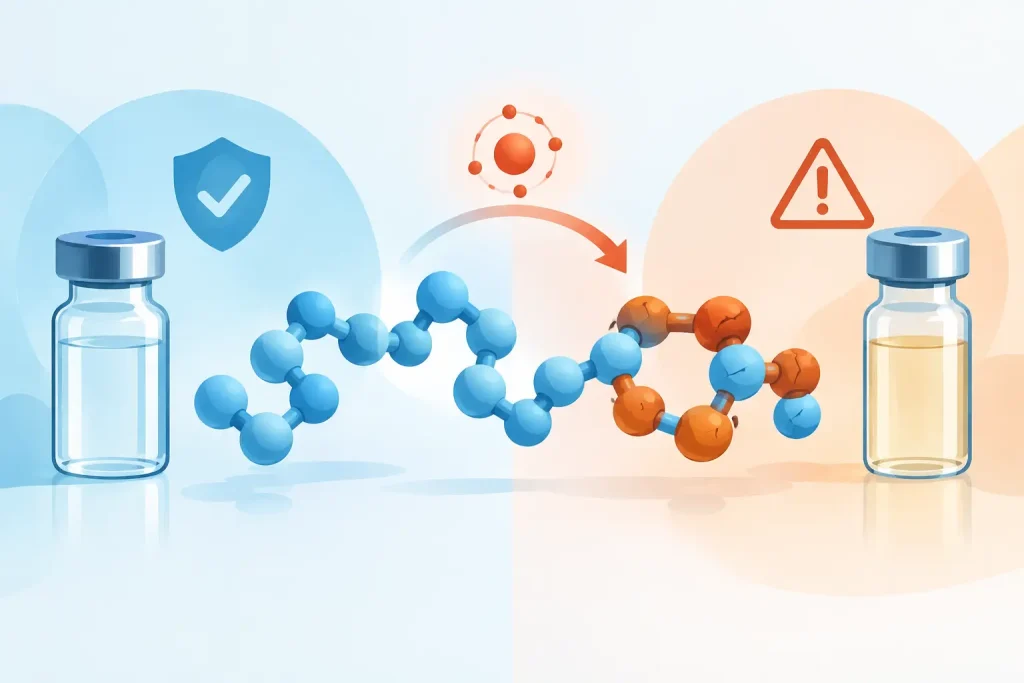
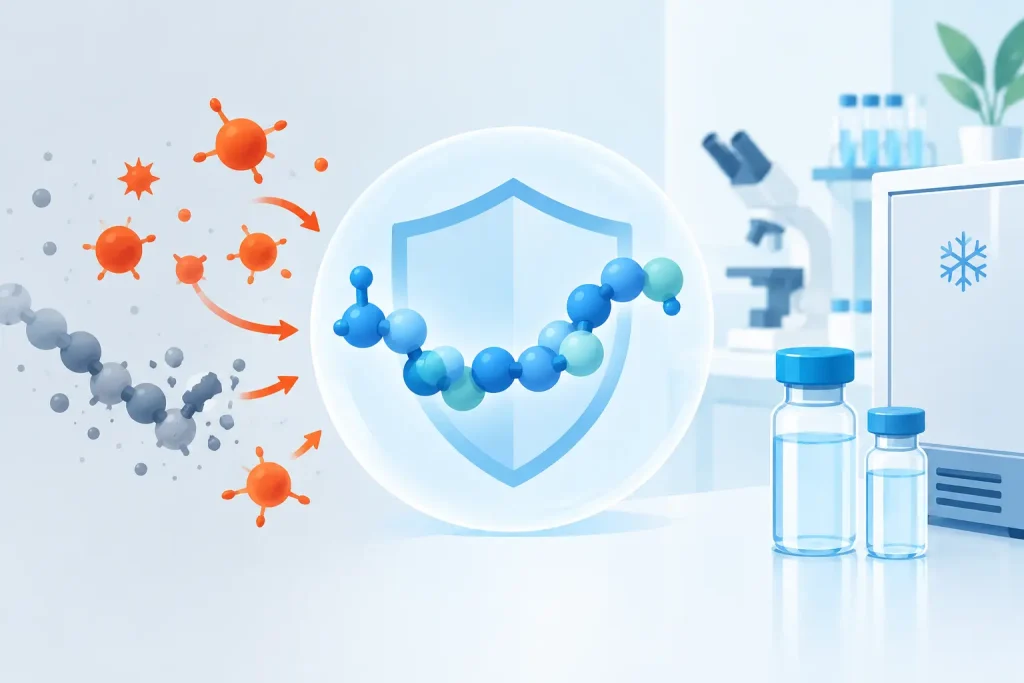
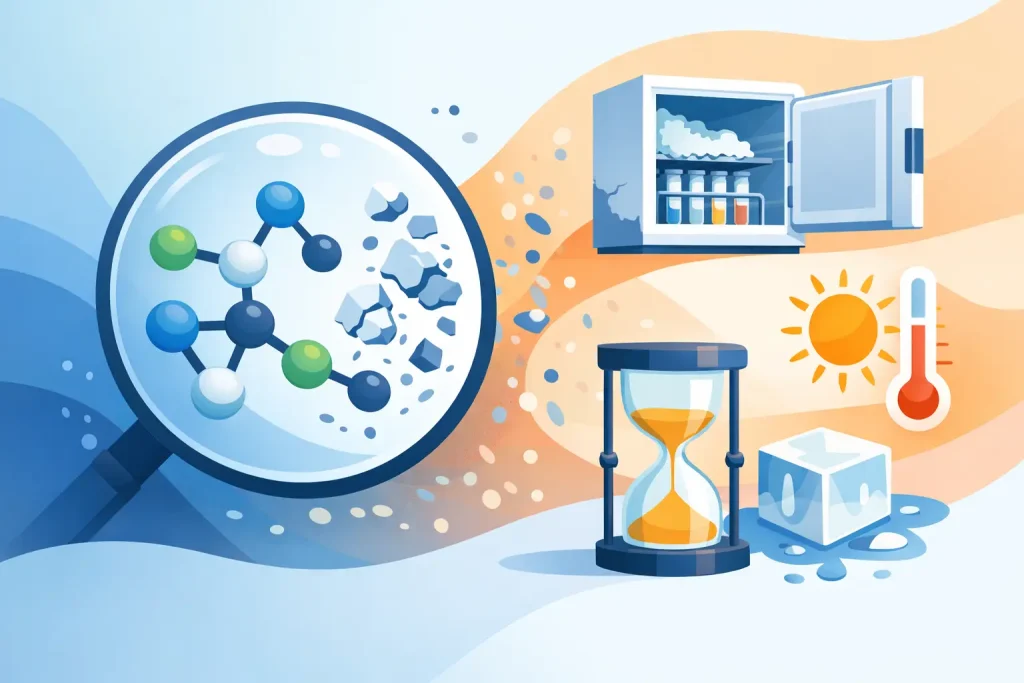
Learn how to assess peptide stability using batch records, HPLC/MS, stress testing, storage controls, and trend data for reliable analytical research.
Why Use Bacteriostatic Water in Research?
Why use bacteriostatic water in peptide research? See how a preserved sterile diluent supports repeat vial access and controlled lab handling standards.