Posts by lab trust
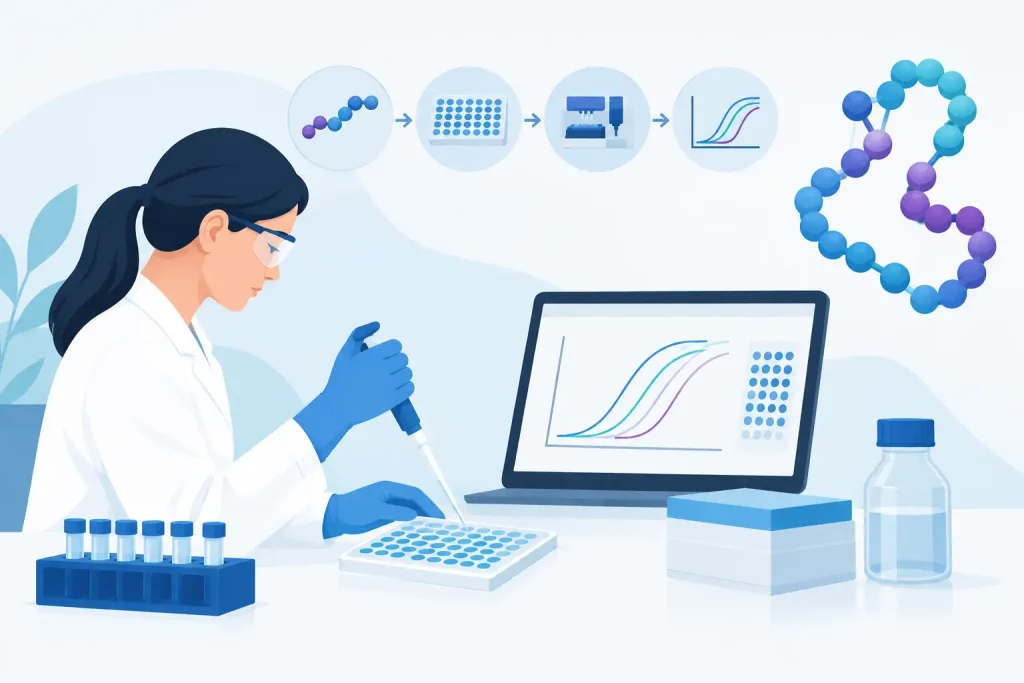
How to Plan Peptide Assays for Reliable Data
Learn how to plan peptide assays with defined objectives, verified materials, controlled variables, and fit-for-purpose methods for reproducible results.
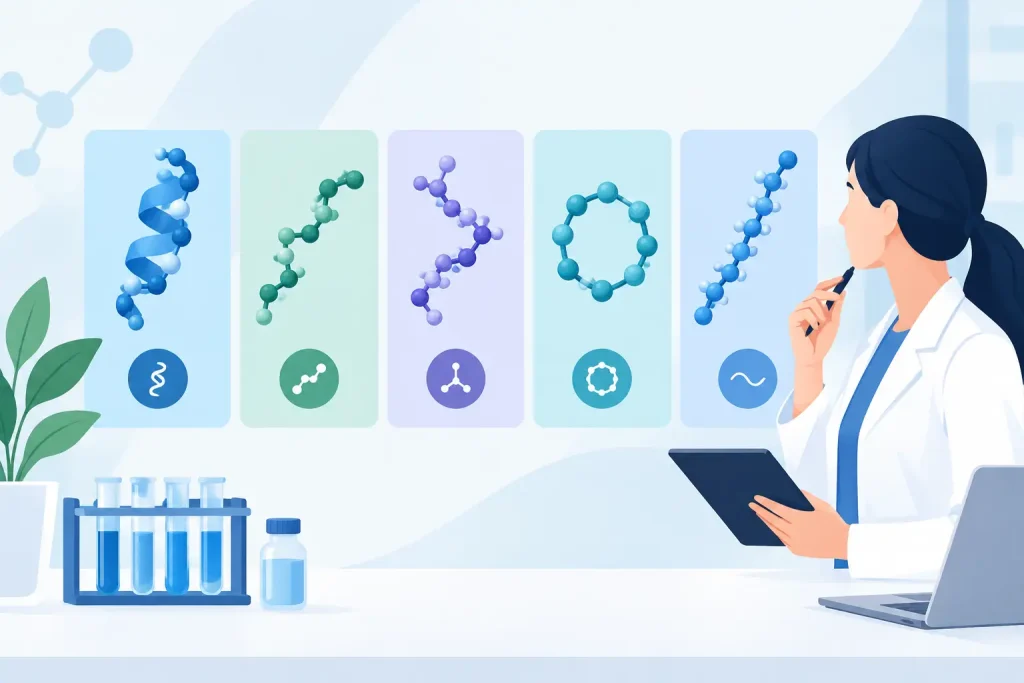
A Practical Guide to Research Peptide Categories
A guide to research peptide categories for lab buyers: compare metabolic, regenerative, endocrine, and neuropeptide research materials with confidence today.
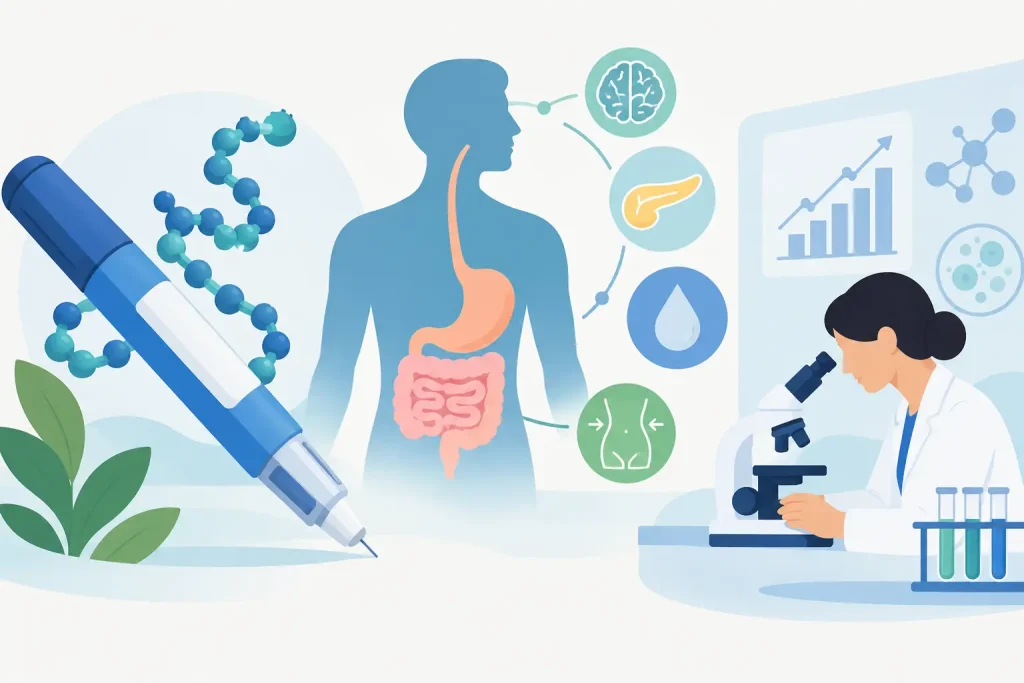
How GLP-1 Agonists Shape Metabolic Research
GLP-1 agonists are central to metabolic research. Review receptor signaling, study design, analytical controls, and sourcing standards for laboratory work.
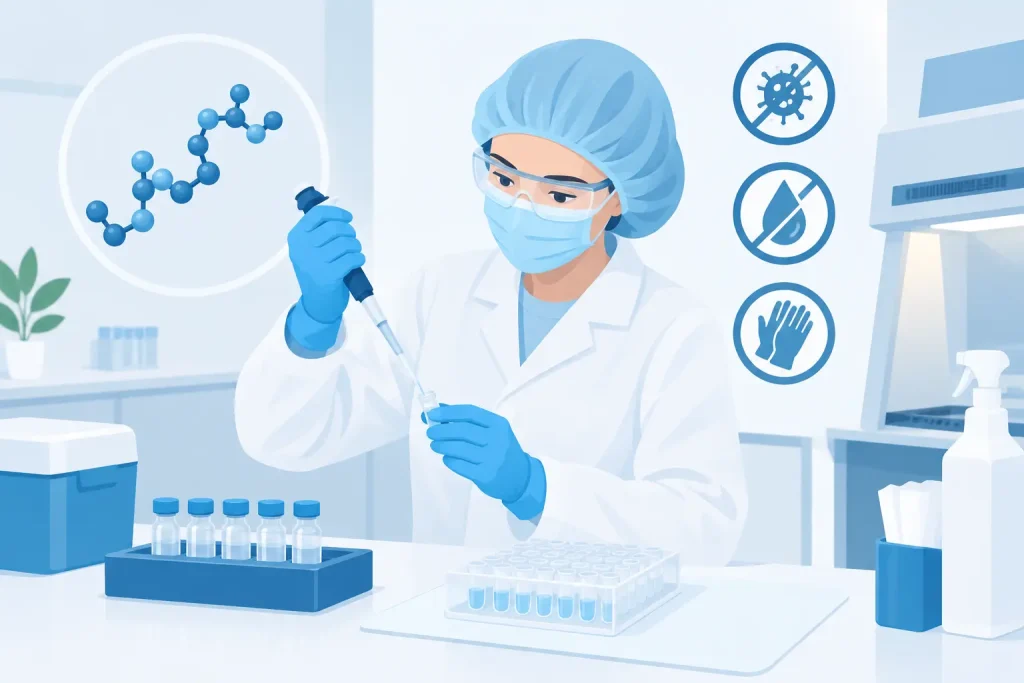
Peptide Handling Contamination Control SOPs
Peptide handling contamination control protects sample identity, analytical quality, and batch integrity from receipt through documented laboratory storage
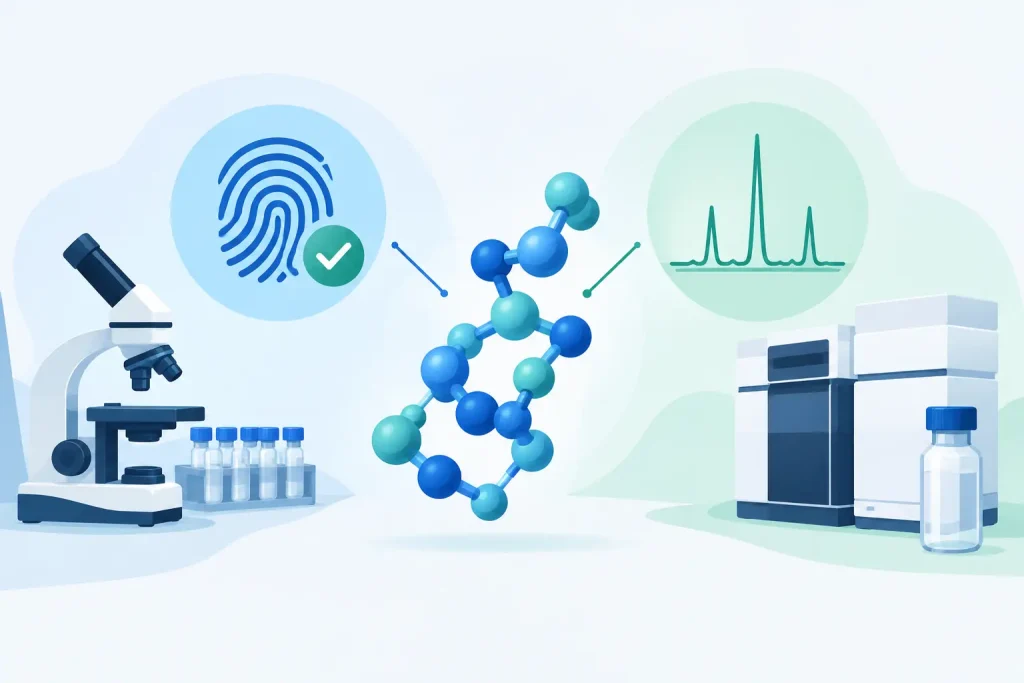
Peptide Authentication Versus Purity Testing
Peptide authentication versus purity testing: learn what each method proves, how HPLC and MS differ, and what to verify on every COA before research.
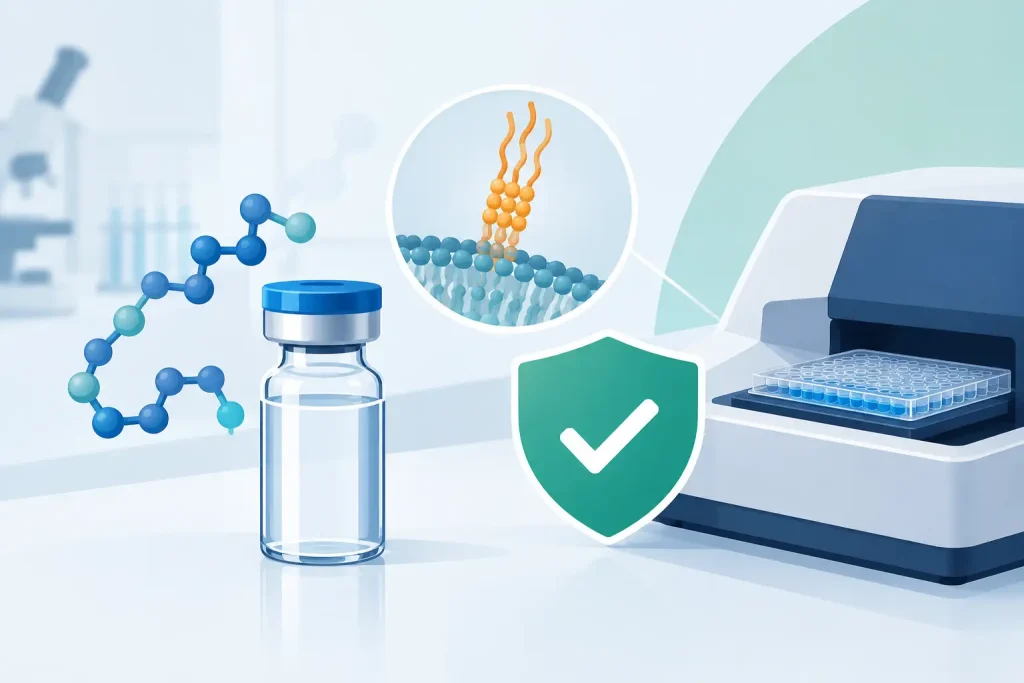
Peptide Endotoxin Testing for Better Batch Integrity
Peptide endotoxin testing helps laboratories evaluate bacterial endotoxin risk, interpret COAs, and build strong controls for defensible research data.
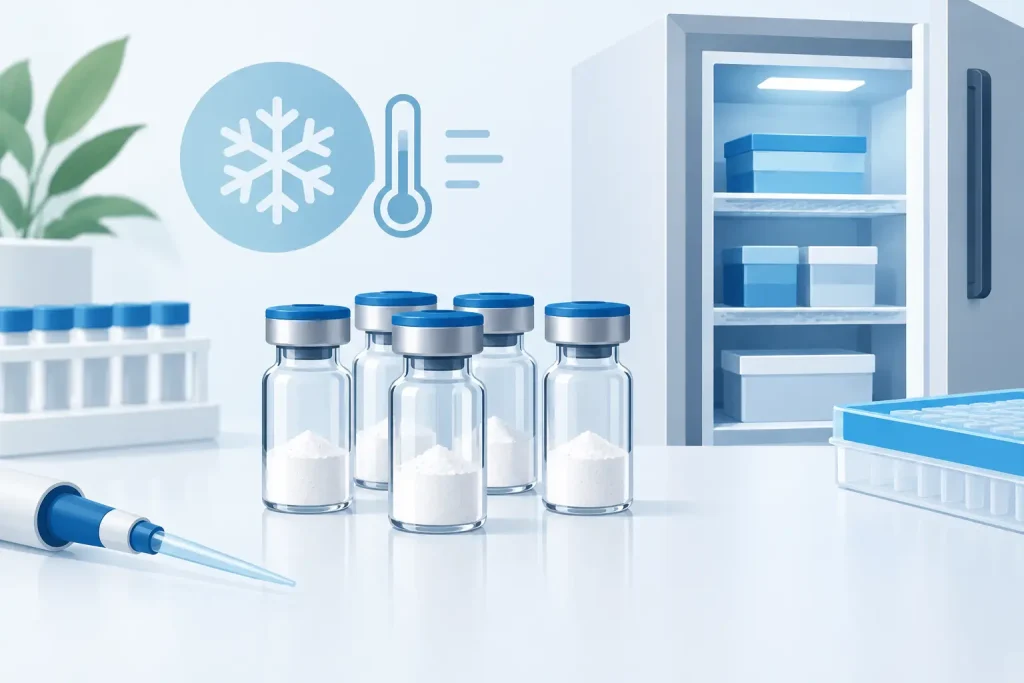
How to Store Lyophilized Peptides for Research
Learn how to store lyophilized peptides for research, with practical controls for temperature, light, moisture, labeling, and batch integrity over time.
Top Peptides for Recovery Models in Research
Review top peptides for recovery models, including BPC-157, TB-500, IGF-1, and MOTS-c, with a focus on study design and batch verification standards.
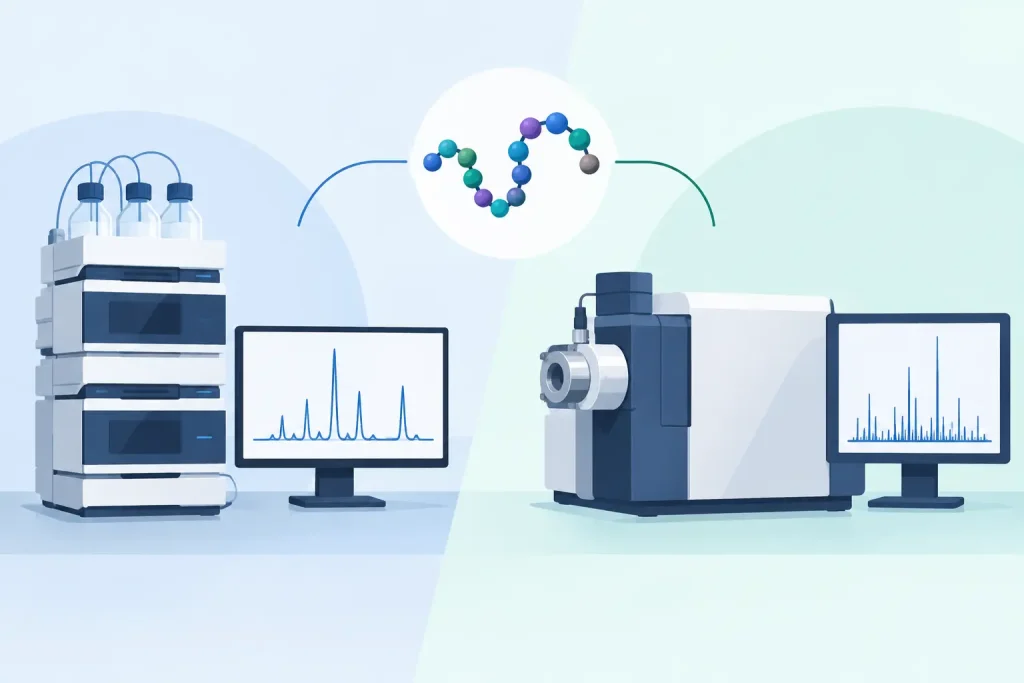
HPLC vs Mass Spectrometry for Peptide Testing
Compare HPLC vs mass spectrometry peptides testing: learn what each method confirms, where each falls short, and how to read a peptide COA with confidence.
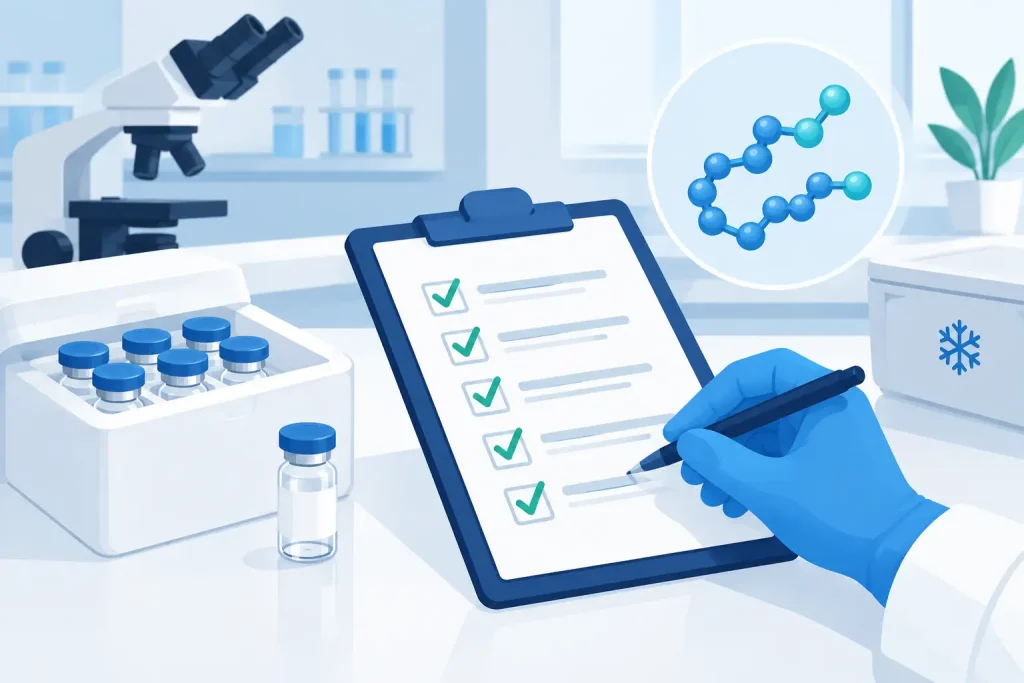
Essential Peptide Receiving Checklist for Labs
Use this essential peptide receiving checklist to verify packaging, batch documents, cold-chain status, and inventory controls before analytical research begins.