Posts by lab trust
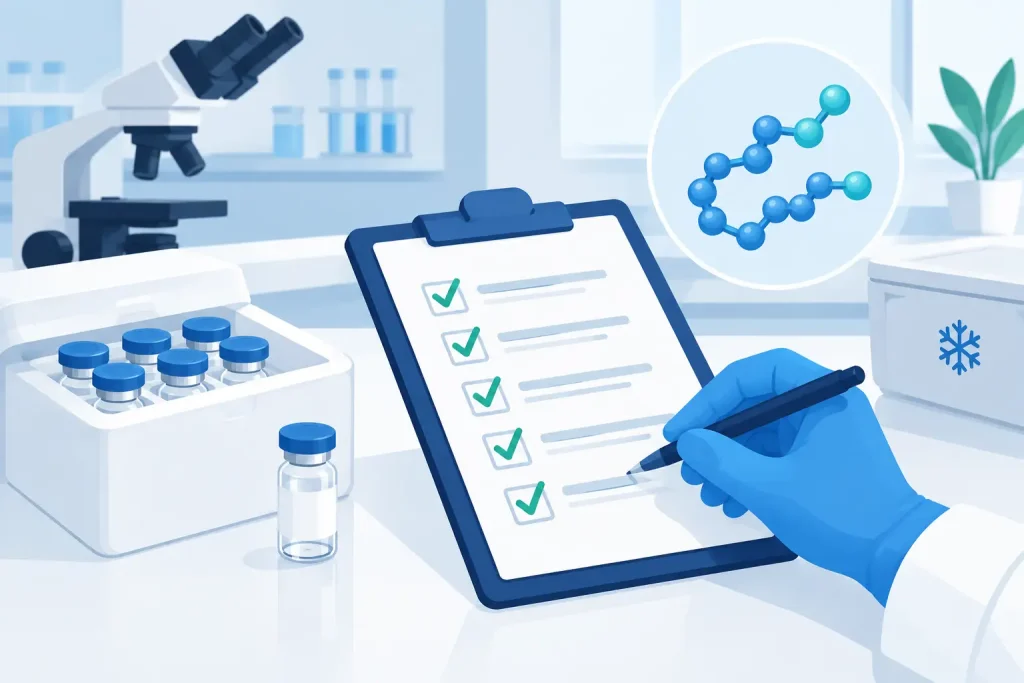
Essential Peptide Receiving Checklist for Labs
Use this essential peptide receiving checklist to verify packaging, batch documents, cold-chain status, and inventory controls before analytical research begins.
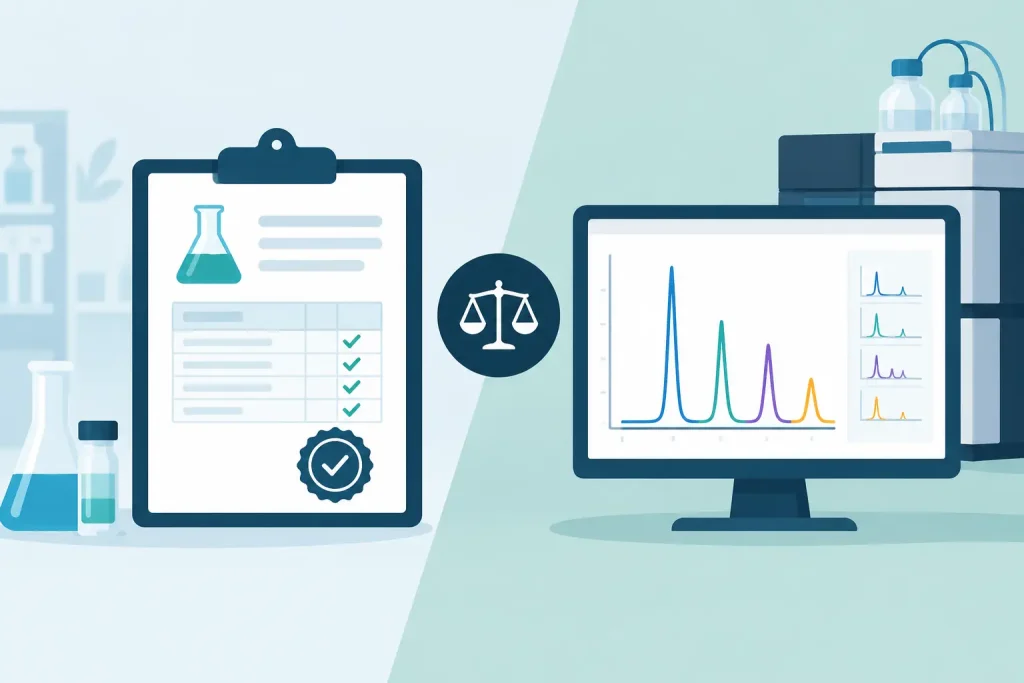
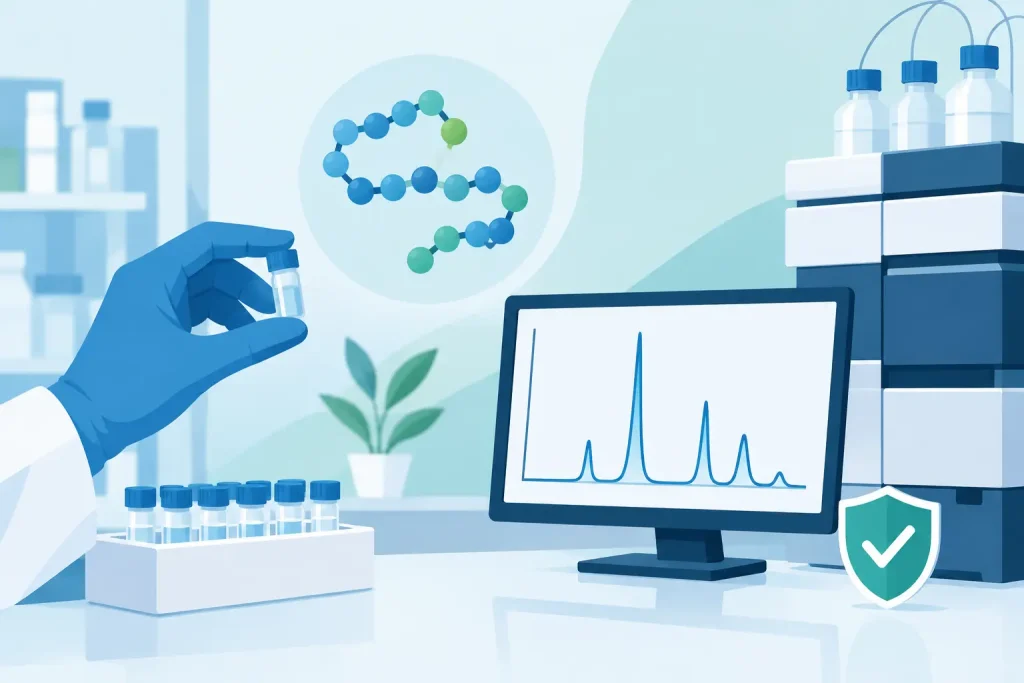
COA Versus Chromatogram Verification: What Matters
COA versus chromatogram verification: learn what COAs and chromatograms prove, where gaps remain, and how to review batch-specific peptide data clearly.
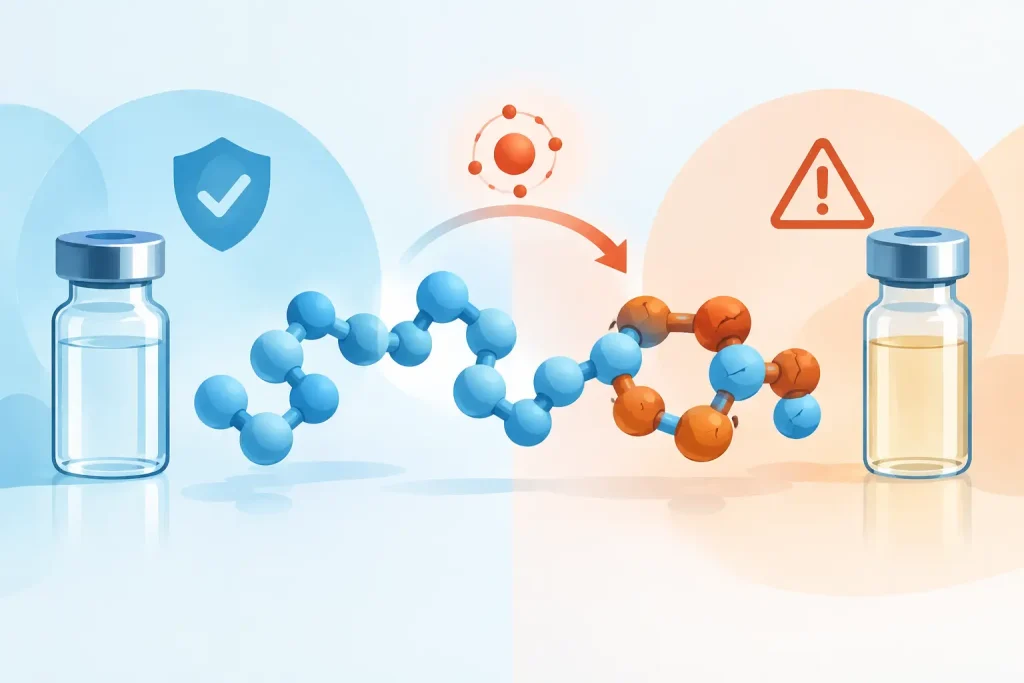
Can Peptides Oxidize? Stability Risks Explained
Can peptides oxidize during storage or handling? Learn the main oxidation pathways, warning signs, and controls that protect research sample integrity.
How to Prevent Peptide Oxidation in Research
Learn how to prevent peptide oxidation through reliable storage, oxygen management, light protection, and batch-level analytical verification for research.
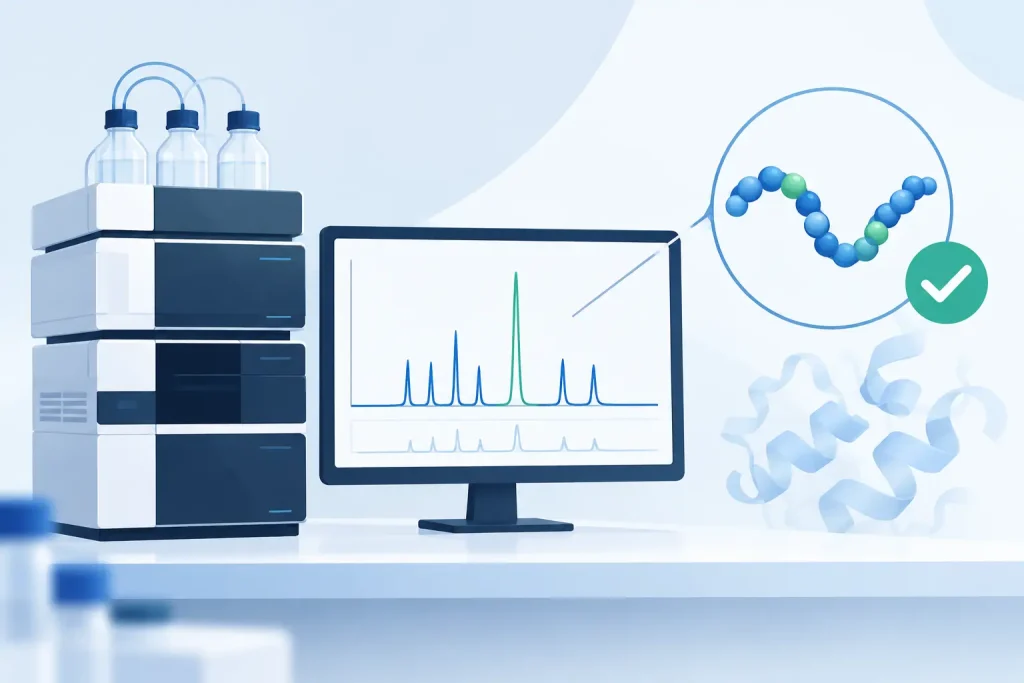
Can HPLC Confirm Peptide Identity Reliably?
Can HPLC confirm peptide identity? See what retention time and purity reveal, why co-elution matters, and when MS completes peptide verification in research labs.
Stability Indicating Assay Guide for Peptide Testing
This stability indicating assay guide explains forced degradation, method validation, and data decisions for research-grade peptide testing workflows.
What Current TB 500 Peptide Research Shows
TB 500 peptide research evaluates a thymosin beta-4 fragment in preclinical models, with focus on mechanism, evidence limits, and batch material quality.
Ipamorelin Research Review: Evidence and Limits
This ipamorelin research review examines receptor pharmacology, study limits, analytical controls, and documentation standards for laboratory buyers today
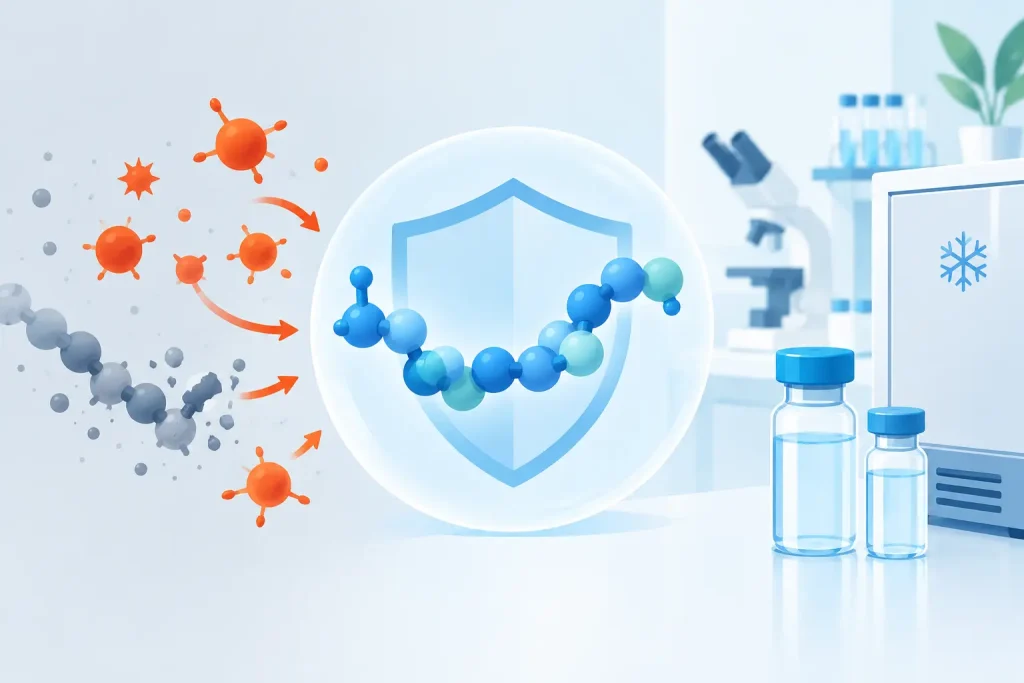
Why Do Peptides Degrade During Storage?
Why do peptides degrade? Learn how heat, moisture, oxygen, light, pH, and handling affect peptide integrity, and how labs can reduce avoidable loss risk.
Best Peptide Quality Indicators for Research
Learn the best peptide quality indicators, from batch-specific COAs and HPLC/MS data to packaging, storage, and shipping controls for research use only.